
No other material matches the advantages of TOPAS® COC in shrink applications. We offer a family of crystal clear TOPAS® COC resins so you can tune your shrink curve to meet your customers’ precise requirements. And while shrinkage can be as high as PVC or PETG, shrink stress is surprisingly low – a real plus for delicate or down gauged applications.
We offer a family of crystal clear TOPAS® COC resins so you can tune your shrink curve to meet your customers’ precise requirements. And while shrinkage can be as high as PVC or PETG, shrink stress is surprisingly low – a real plus for delicate or down gauged applications.
TOPAS polymers are a powerful solution for shrink label and sleeve applications. They are stiff yet tough. They have outstanding gloss and clarity and retain print treatment exceptionally well. Seaming is a snap for sleeves, while standard olefin adhesives work well for labels. Talk with us about coextruded solutions that will work for you.
For shrink label packaging, TOPAS resins are the right choice for high-performance sleeves with exceptional design flexibility. The sparkle and clarity enhance the appearance of any product, while providing appearance similar to non-recyclable sleeves. The polymer becomes exceptionally tough after orientation for enhanced product security. Seams are consistent and strong, and COC plastic is noted for excellent print treatment retention. The density of polyolefin-based (PE or PP) sleeve labels enhanced with COC is low enough to float even with multiple ink layers, so there is no need to make graphic design compromises.
The floating shrink film label is an excellent choice for any business looking to provide more eco-friendly packaging to its customers. As consumers are more conscious about sustainable products than ever before, sourcing labels made with eco-friendly TOPAS plastics is a great way to keep customers happy. Some specific benefits of our film include
PET bottle recycling is a fact of life, and it’s imperative to do a good job of label removal in the recycling process. Unlike previous shrink sleeve resins, TOPAS COC enables label manufacturers to make low density, flotation-separable labels that meet APR and EPBP guidelines. Be part of the sustainability solution – choose TOPAS resins for your sleeves.
Another emerging use of floatable polyolefin sleeve labels is for PE or PP containers. Because the label is of the same resin family, with a similar density, the label can be recycled right along with the container. Unlike the PET recycling process, PE and PP recycle streams tend to be opaque, so the color introduced by label inks is not typically an issue.
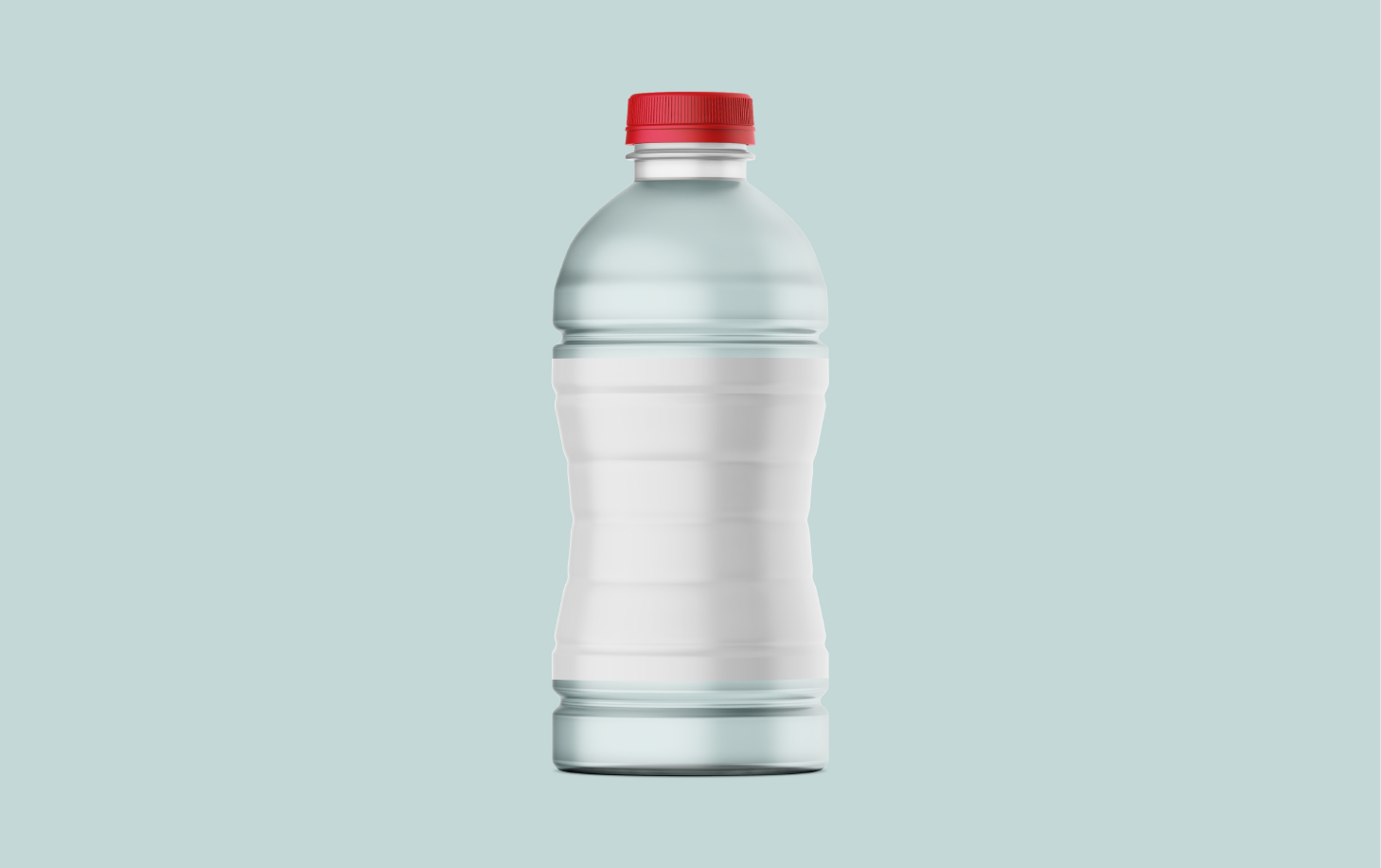
Shrink sleeve labels created using TOPAS plastic resins are designed so the package can be easily recycled after use. These eco-friendly labels help your business maintain sustainable practices and offer consumers an extensive range of sustainable products, such as shrink sleeve labels and films.
In polyethylene terephthalate (polyester, or PET) bottle recycling, labels are most commonly separated from bottles via flotation. This is true for most traditional PET bottles, which have for decades been labeled with oriented polypropylene (OPP) non-shrink labels. OPP floats, while PET sinks, and standard recycling processes rely on this difference to make a clean and reliable separation of the two plastics. Bottles are shredded, labels and all, then the PET bottle and label flakes are sent to a water bath to allow a simple separation of the two materials.
Until recently, shrink labels were only made with plastics that sink like PET. This resulted in the label plastic, including any ink on the label, contaminating the PET flake after flotation separation. Now, TOPAS® COC-based technology allows the production of all-polyolefin shrink sleeves that float, so shrink-sleeved bottles can be recycled in exactly the same way as the majority of PET bottles labeled with non-shrink films. This wet recycling process allows your bottle to be fully recyclable, helping your business reach environmental sustainability goals, meet recycling targets, and help brand owners meet economic goals for the company.
COC-based shrink sleeves are also useful to simplify polyethylene and polypropylene (PE and PP, collectively polyolefin) container recycling. Since conventional shrink sleeves are denser than water, but PE and PP are not, flotation separation is necessary for shrink sleeved polyolefin bottles, whereas PE or PP bottles labeled with OPP are recycled more directly since the label can be included in the recyclate with no separation required. With floatable sleeves, the behavior is the same as OPP and the label can possibly be included in the container recyclate as well (please always verify with the label supplier, as they validate the films they supply).
A shrink sleeve is a heat-sensitive tube-shaped plastic film with openings on the top and bottom in order to create a sleeve. The sleeve is placed over a product, typically a bottle, and then heat is applied to it. Once the heat is applied to the shrink sleeve, it will begin to shrink and compress to the product’s shape.
After a shrink sleeve is placed around a bottle, heat is applied to the plastic until the sleeve has decreased diameter to make a snug fit against the bottle.
In order to shrink a shrink sleeve, heat is applied to the sleeve. This is typically done through the use of hot air or steam. Many companies make hardware for this purpose.
Shrink sleeves removed from PET bottles can be sent to many plastic recyclers as long as the shrink sleeve is made of recyclable material, such as our TOPAS COC polymer in combination with polyolefins. More importantly, the use of such sleeves enables contoured PET bottles labeled with these sleeves to be easily recycled in standard PET recycling facilities with no changes to the facility or equipment required, and no risk of water contamination. For polyolefin containers, our customers report that their COC-based labels can be recycled with the container, with no separation needed.
Bottles and containers that are not perfectly cylindrical in shape may need a shrink sleeve so that the labeling hugs the bottle, rather than dangling loosely or presenting a saggy appearance. Meanwhile, the demand for shaped or contoured bottles is growing, as these types of containers tend to attract consumer attention and boost sales. Sleeve labels now account for about 20% of all label film sales worldwide, up from single digits in the not too distant past.

Thank you very much for your interest in TOPAS COC. You may contact us at the locations below, or via the form.